

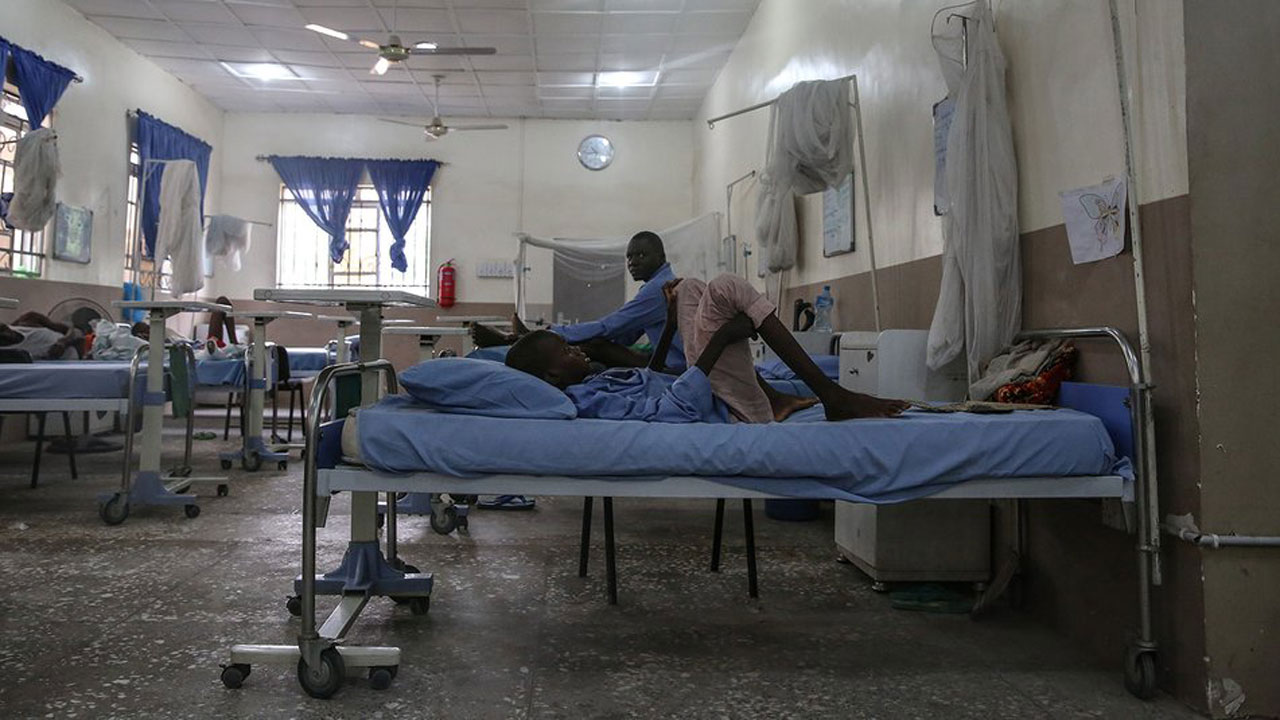
Patients at the Federal Teaching Hospital, Gombe, faced frustration and delays on Saturday due to the ongoing strike by members of the National Association of Resident Doctors (NARD), which has disrupted medical services across the facility.
Observations by Punch correspondents revealed that consultants stepped in temporarily to manage clinical duties, aiming to prevent a total shutdown of medical operations.
At the General Outpatients Department (GOPD), only 25 patients were attended to by the available physician, far below the usual 40. Many patients who arrived as early as 6 a.m. were left unattended.
One patient, Grace John, who had paid the ₦500 follow-up consultation fee, expressed disappointment:
“It’s painful that I came out only to waste my time. If I were in a critical condition, I would have been abandoned. I paid to fast-track the process, only to be turned away because they had already reached their limit.”
Another patient, who requested anonymity, said she could not get medical attention for her brother with a liver ailment:
“I needed a number for my brother, but was told the quota was full. I hope this strike doesn’t worsen his condition.”
Similarly, Fatima Abass, who arrived at 6 a.m., lamented missing the chance to see a doctor:
“This is so sad. This hospital is supposed to serve the people, yet we are left stranded due to disputes we have no control over.”
In a phone interview, Dr. Kefas Wida, former NARD Vice President, criticised poor doctor welfare and described the system as unsustainable:
“I just became a consultant after years of struggle. We deal with overwork, unpaid allowances, and harsh working conditions. Some institutions have one or two resident doctors running entire departments. This is unacceptable.”
Wida highlighted unresolved allowances despite previous agreements:
“Three years ago, NARD went on strike over unpaid allowances. The government always pays politicians, but those doing the work are left waiting. The personal cost of medical training is huge, and no one talks about it.”
He urged the government to prioritise healthcare:
“Many doctors work under severe fatigue. Sometimes we work for two days without rest. The government must address this sector seriously instead of threatening ‘no work, no pay.’”
The ongoing strike continues to impact patients and hospital operations, underscoring the urgent need for dialogue between the government and NARD to resolve the issues.

